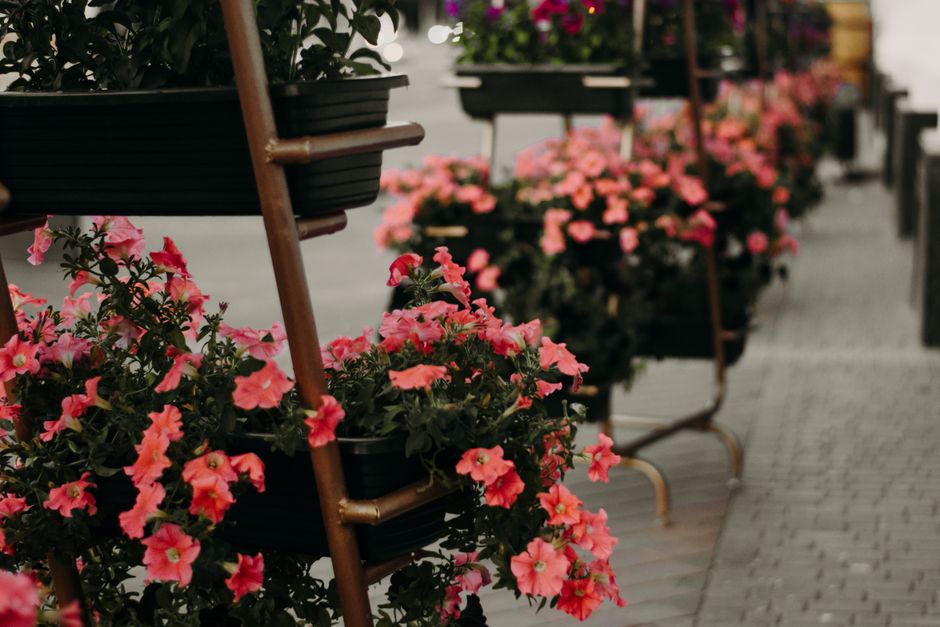
Permit guide for flower displays on Harrow high street
Posted on 03/10/2026
If you are planning a flower display on Harrow High Street, the permit question tends to arrive quickly - sometimes before you have even finished choosing the blooms. A bright pavement arrangement can draw people in, lift the street, and create a proper sense of welcome. But it can also raise practical issues around space, public safety, frontage rules, and local permission. This permit guide for flower displays on Harrow high street walks through what matters, how the process usually works, and how to avoid the kind of small mistakes that can turn a lovely idea into a frustrating delay.
You will find plain-English guidance here: who typically needs permission, what councils and landlords often look for, how to prepare a sensible application, and how to keep a display looking polished without getting in the way. Truth be told, the details can feel fiddly. But once you understand the basics, it becomes much easier to plan a display that works for your business and respects the street around you.
Table of Contents
- Why permit approval for flower displays on Harrow High Street matters
- How the permit process usually works
- Key benefits and practical advantages
- Who this is for and when it makes sense
- Step-by-step guidance
- Expert tips for better results
- Common mistakes to avoid
- Tools, resources and recommendations
- Law, compliance, standards and best practice
- Options, methods and comparison table
- Case study or real-world example
- Practical checklist
- Conclusion
- Frequently asked questions
Why permit approval for flower displays on Harrow High Street matters
A flower display sounds simple enough. A few planters, a tasteful frame, maybe a seasonal arrangement that makes the frontage feel warm and alive. But on a busy high street, even a small display can affect how people move, where they queue, how accessible the pavement feels, and whether emergency access remains clear. That is why permit approval matters. It is not just a box-ticking exercise; it is part of keeping the street usable for everyone.
For businesses, the permit is also about confidence. If you have checked the rules first, you are far less likely to be challenged after the display has gone up. You are also less likely to have to dismantle something beautiful on a rainy Tuesday because a complaint has come in. Nobody enjoys that. Especially not when the flowers are at their best and the street smells faintly of coffee and wet paving after a typical London shower.
There is another side to it too. A well-managed display can support the wider look and feel of the high street. It signals care. It tells people the business is active, attentive and worth stepping into. For independent shops in particular, that visual cue matters more than people sometimes admit. In our experience, customers notice these things even if they cannot quite explain why.
Expert summary: A flower display permit is not only about permission; it is about balancing presentation, safety, access, and the day-to-day realities of trading on a shared public street.
How permit approval for flower displays on Harrow High Street works
The exact route can vary depending on the location, the type of display, and who controls the space outside your premises. In practice, the process usually involves checking whether the flowers will sit on private frontage, leased frontage, or public highway space. That distinction matters. A display placed wholly inside your shop boundary is often simpler than one reaching onto the pavement, even slightly.
If your flowers are visible from the street but remain inside your premises, you may only need to consider lease terms, building rules, and any local conditions that affect shopfront alterations. If the display extends beyond your boundary line, or if customers are expected to walk around it, then permissions become more important. That is when the council, landlord, or another responsible body may want details of size, placement, stability, and impact on access.
The process often follows a simple logic:
- Confirm where the display will sit.
- Check who owns or controls that area.
- Review any local rules, lease conditions, or frontage restrictions.
- Prepare drawings or photographs showing the proposed layout.
- Submit the request, if needed, before any installation starts.
- Keep records of approval and any conditions attached.
It sounds dry on paper, but it saves a lot of hassle. A quick discussion upfront can prevent weeks of back-and-forth later.
For traders considering wider floral presentation strategies, it may also help to look at broader business pages such as about us, contact us, or the general delivery information if the flowers are being supplied to a premises rather than arranged on site.
Key benefits and practical advantages
Getting the permit side right offers more than compliance. It can improve how the display functions day to day and how the business is perceived.
- Fewer disputes: You reduce the risk of complaints from neighbours, landlords, or passers-by.
- Better customer flow: Clear planning helps the display support, rather than block, foot traffic.
- Cleaner presentation: A permitted, thought-through display usually looks more deliberate and professional.
- Safer layouts: Good planning lowers the risk of toppled planters, tangled stems, or water spilling onto a walking route.
- Stronger seasonal impact: You can use floral themes with confidence, whether for spring, summer, or festive periods.
- Lower risk of waste: If a display has to be removed unexpectedly, flowers and materials are often lost. Planning helps avoid that.
There is also a commercial advantage that people sometimes miss. A neat floral frontage can make a high street business feel more considered, almost curated. That matters whether you run a florist, a cafe, a salon, or a gift shop. A display does not need to be huge. In fact, smaller often works better if it feels elegant and tidy.
For readers exploring display styles and product presentation, pages like flowers in a vase, baskets and posies, or florist choice can help you think about the kind of look that translates well to a street-facing setting.
Who this is for and when it makes sense
This guide is for anyone planning to place flowers where the public can see them on or near Harrow High Street. That includes independent shop owners, cafe managers, pop-up retailers, market traders, and venue operators with a front-facing entrance. It also applies if you are arranging flowers for a seasonal campaign, a celebration, a memorial tribute, or a launch event and want the entrance to feel inviting.
You may need to think about permits or permission if:
- planters will sit on the pavement or at the edge of public access space
- floral arrangements narrow the path in front of your premises
- you are attaching decorations to street furniture, railings, or exterior fixtures
- the display is large enough to change how people move past the frontage
- you are using the display as part of a temporary promotional event
If the display is entirely inside the shopfront, the process is usually simpler, though not always risk-free. Lease agreements and building rules can still matter. A landlord may be fussier than the council, and yes, that happens more often than people expect.
This guide is especially useful if you are weighing up whether to use fresh flowers, potted plants, mixed foliage, or a combination of floral props and signage. Different setups create different levels of risk. A single heavy planter is a different beast from a row of lightweight arrangements that can be nudged by a passing trolley or a gust of wind.
Step-by-step guidance
If you want a smooth process, do it in a clear order. The work is not complicated, but skipping a step can create avoidable problems.
1. Measure the area carefully
Start with the actual space, not the space you wish you had. Measure the frontage, the walking route, the doorway swing, and any protrusions such as signage, steps, railings, or bins. Take photos from a pedestrian point of view. That helps you see the display as the public will see it.
2. Identify what type of display you want
Will the flowers sit in planters, baskets, troughs, or window boxes? Are they temporary or permanent? Do they need watering access? A short-lived promotional arrangement may need less formal setup than a semi-permanent frontage feature, but it still has to be safe and sensible.
3. Check the controlling party
Work out who has authority over the space. It could be your leaseholder, freeholder, local authority, or a managing agent. If you are not sure, ask before acting. That one question can save a weekend of moving things around while muttering under your breath.
4. Prepare a simple submission pack
Even when the permit route is informal, a tidy pack helps. Include:
- photos of the current frontage
- a rough sketch or plan showing placement
- dimensions of planters or display units
- proposed dates for installation and removal
- details of materials, especially if items are weighted or fixed
- a note about how access and cleaning will be maintained
5. Build in safety and maintenance
A beautiful display that leaks, tips, or sheds petals everywhere is not much use. Think about drainage, wind exposure, nighttime visibility, and cleaning. If the flowers are near the pavement edge, use stable containers and avoid anything that could roll or shift easily.
6. Keep evidence of approval and conditions
Save emails, permit references, and any notes about placement limits or maintenance obligations. If a question comes later, having the paperwork at hand makes life much easier.
7. Review and refresh
Seasonal displays should be checked regularly. Flowers fade. Colours change. And yes, a display that looked crisp on Monday can look tired by Friday afternoon. A quick reset often makes a huge difference.
Expert tips for better results
Small choices make a big difference with street-facing floral displays. You do not need a huge budget to get it right, but you do need a bit of judgement.
- Use weight wisely: Heavier bases are often safer than lightweight decorative stands, especially on exposed pavements.
- Keep the route clear: Leave enough space for wheelchairs, pushchairs, and people carrying bags. If it feels tight to you, it probably is.
- Match the frontage: A floral display should complement the business, not fight with the signage or window dressing.
- Think in layers: One tall feature, one mid-height element, and a few low arrangements often look more balanced than a crowded cluster.
- Plan for weather: Rain, wind and sudden temperature changes are part of everyday London life. Slightly annoying, but there it is.
- Refresh before it looks tired: Don't wait until every bloom is drooping. A timely swap keeps the whole frontage looking cared for.
A practical tip from the field: if you are unsure about scale, start smaller than you think. You can always add a second planter later. It is much harder to rescue a display that is already too large for the pavement.
If you are selecting flower lines for a display or for regular replenishment, browsing ranges such as luxury flowers, best sellers, or all flowers can help you decide what style suits a visible high street presentation.
Common mistakes to avoid
Most permit headaches come from a small set of avoidable errors. Nothing dramatic, just the kind of oversight that happens when people are in a rush.
- Assuming a display is fine because it is "only flowers" - public space is public space, even when it looks harmless.
- Skipping measurements - a display can seem modest until it blocks a path when placed in real life.
- Using unstable containers - pretty is not enough if the base is wobbly.
- Ignoring cleaning and watering - wet pavement, fallen leaves, and overflowing trays can create slip risks.
- Forgetting seasonal changes - a display suitable in June may not suit a windy autumn morning.
- Not checking lease restrictions - landlords can be stricter than local rules.
- Leaving approval too late - if a launch date is fixed, leave time for questions and revisions.
One of the most common missteps is treating the permit as an afterthought. You pick the flowers first, then realise the setup needs permission. That is backwards, really. Better to sort the permission path first and then design within it.
Tools, resources and recommendations
You do not need a huge toolkit to manage a flower display properly, but a few basic items will make life easier.
- Tape measure: Useful for checking width, depth, and clearance.
- Phone camera: Take before-and-after images for records and planning.
- Simple sketch plan: Even a hand-drawn layout can be enough for a first discussion.
- Stable containers or weighted bases: These help avoid movement in wind or crowding.
- Watering plan: Decide who waters, when, and how spillages are managed.
- Cleaning cloths and small tools: Handy for tidying petals, stems, or soil.
For product care and display longevity, it is also worth reviewing practical advice on flower care. A display can only look good if the flowers are looked after, and that part is easy to underestimate. Fresh flowers are lovely, but they are not self-managing little miracles.
If your display needs to coordinate with gifts, cards, or repeat ordering for business use, the site's corporate accounts page may be relevant, especially for regular seasonal refreshes or event-based orders.
Law, compliance, standards and best practice
Because this topic touches public space, access, and business presentation, it is sensible to approach it with care. The exact rules will depend on location and ownership, so this section stays deliberately practical rather than pretending there is one universal answer.
Good practice usually includes:
- keeping walkways clear and usable
- avoiding obstruction of entrances, exits, or visibility lines
- making displays stable enough for daily footfall and weather changes
- checking whether temporary items still need permission
- respecting lease conditions and frontage requirements
- maintaining the display so it does not become untidy or hazardous
If a display extends into public space, it may be treated differently from one that sits purely on private land. That distinction is central. Councils, landlords, and managing agents often focus on impact rather than appearance alone. In other words, a display can be lovely and still cause a problem if it narrows access.
There may also be wider obligations around safety and accessibility. For example, a display should not create a trip point, block mobility access, or make it hard for people using prams or wheelchairs to pass comfortably. That is not just a legalish issue; it is a common-sense issue. The best high street displays usually feel generous rather than crowded.
When in doubt, ask for written clarification before installation. A brief email trail can be worth its weight in roses.
Options, methods and comparison table
Different flower display styles suit different kinds of premises. There is no single best option, only the one that fits your space, traffic flow, and maintenance capacity.
| Display method | Best for | Pros | Watch-outs |
|---|---|---|---|
| Window-led floral display | Shops with limited pavement space | High visual impact, usually simpler to manage | Less visible from a distance if frontage is narrow |
| Planters on private frontage | Businesses with enough setback space | Often easier to maintain, good for seasonal updates | Can still need permission depending on frontage rules |
| Temporary pavement display | Promotions, launches, events | Flexible and eye-catching | Most likely to raise access and permit questions |
| Mixed floral and signage setup | Retailers wanting stronger branding | Can feel polished and intentional | Easy to overdo it; clutter is a real risk |
| Freestanding seasonal arrangement | Short-term campaigns | Simple to swap in and out | Needs secure placement and regular review |
If your main goal is a gentle, inviting presence, smaller arrangements often work better than large theatrical ones. If your main goal is attention, then be careful not to trade visibility for inconvenience. That balance is the whole game, really.
Case study or real-world example
Imagine a small independent gift shop near Harrow High Street preparing for a spring refresh. The owner wants two medium-sized floral planters near the entrance, a smaller arrangement in the window, and a seasonal signboard. The first draft looks great on paper. Bright, cheerful, very photogenic. But when the owner measures the frontage properly, it turns out the planters would leave a narrow pinch point near the door.
So the layout is adjusted. The planters move slightly inward, the signboard shifts to a less congested spot, and the display becomes more compact. The owner also checks who controls the frontage, gets confirmation about the placement, and keeps a photo of the approved layout on the phone. A few weeks later, a visitor in a mobility aid passes without difficulty, and the display still catches the eye from across the street. Nobody has to shuffle things around in a hurry. No awkward scramble. No last-minute apology note taped to the door.
That is the sort of outcome you want. Not flashy. Just clean, calm, and workable.
If the shop later wants to refresh flowers for a special event, the team can draw from the broader product range, perhaps using seasonal options or display-friendly styles like any occasion arrangements. The key is that the display stays appropriate to the space, not the other way around.
Practical checklist
Use this checklist before you submit, install, or refresh a flower display on Harrow High Street.
- Have I measured the available space accurately?
- Do I know whether the flowers will sit on private land or public space?
- Have I checked lease terms, frontage rules, or landlord conditions?
- Do I have a sketch or photo showing the proposed layout?
- Will the display leave a clear walking route?
- Are the containers stable and weather-ready?
- Is there a plan for watering and cleaning?
- Do I know when the display will be removed or refreshed?
- Have I saved written approval or notes about conditions?
- Would this still look tidy after a windy afternoon and a busy lunchtime?
If you can answer yes to most of these without hesitation, you are in good shape. If not, pause and adjust. It is usually worth the extra hour.
Conclusion
A good floral display can do a lot for a Harrow High Street business. It adds colour, warmth, and a sense of care that people feel the moment they walk past. But the permit side matters just as much as the petals. Get the permissions, check the space, plan for safety, and keep the display manageable. That is how you create something attractive that also fits the reality of a busy high street.
Most of the time, the best results come from simple planning rather than grand gestures. A neat arrangement, a clear walkway, and a bit of regular attention will usually outperform something bigger but poorly thought through. And once you have the basics in place, you can focus on the enjoyable part - choosing colours, balancing texture, and creating a frontage that feels genuinely welcoming.
Get a free quote today and see how much you can save.
When the street is busy and the light catches the flowers just right, a well-placed display can make the whole frontage feel brighter. That is worth doing properly.
Frequently Asked Questions
Do I always need a permit for flower displays on Harrow High Street?
Not always. If the display stays entirely within your private frontage, the requirements may be simpler. But if flowers, planters, or decorative items extend into public space or affect access, permission may be needed. The safest approach is to check before installation.
What kind of flower display is most likely to raise permit questions?
Larger pavement displays, freestanding planters, and anything that narrows the walking route are the most likely to prompt questions. Temporary promotional displays can also need checking, even if they are only up for a short time.
Can I put planters outside my shop without asking anyone?
Not necessarily. Even a neat planter can be an issue if it sits on shared or public space. It depends on ownership, frontage rules, and any lease or local conditions. A quick check is better than assuming it is fine.
How far should a flower display be from the doorway?
There is no one-size-fits-all answer here. The display should leave enough room for people to enter and exit comfortably, and it should not create a pinch point. If you have to turn sideways to get through, it is probably too tight.
What information should I include in a permit request?
Helpful details usually include measurements, photos, a simple layout sketch, the type of display, how long it will stay in place, and how you will keep it safe and tidy. Clear, practical information tends to get better responses.
How long does the approval process take?
That depends on who needs to review it and how simple the proposal is. A straightforward request may move fairly quickly, while a more complicated frontage or larger display may take longer. Always leave a buffer if you have a launch date.
Are seasonal flower displays treated differently from permanent ones?
Often, yes. Seasonal or temporary displays are usually judged on their short-term impact and safety, while permanent or semi-permanent setups may face closer scrutiny. Even so, temporary does not mean permission-free.
What if I rent the premises?
If you rent, check your lease first. Landlords or managing agents may have their own rules about external decorations, frontage changes, or anything visible from the street. The lease can be just as important as local permissions.
How do I make sure a flower display is safe?
Use stable containers, keep walkways clear, avoid loose items that can blow over, and check the arrangement regularly. It is also wise to think about watering, spillages, and visibility, especially in wet weather.
Can flower displays help my business attract more customers?
Yes, when they are done well. A thoughtful display can make a frontage feel inviting and memorable. People often respond to care and visual warmth, even if they do not stop to analyse why they noticed it.
What is the biggest mistake businesses make with street-facing floral displays?
Probably assuming the display is too small to matter. In practice, even modest items can affect access or trigger complaints if they are placed badly. Measuring first and checking permission early avoids most headaches.
Where can I find flower products suitable for a front-of-house display?
Browse display-friendly options such as luxury flowers, best sellers, and flower shops South Harrow HA2 for ideas that fit a visible setting.
Should I keep records after the display is approved?
Yes. Keep emails, notes, sketches, and any conditions that were agreed. If someone later asks about the display, having the paperwork ready makes the conversation much easier and much less stressful.
What if the weather changes and the display starts to look messy?
Refresh it quickly. A display that is slightly altered by rain or wind is normal, but a display that stays untidy will lose its impact fast. A five-minute tidy-up can make it look cared for again.